
 Imani King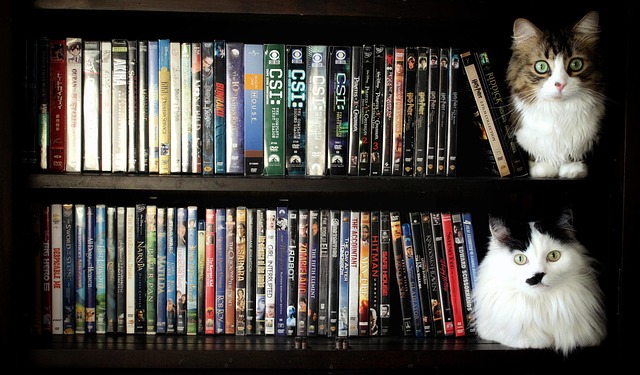
The Streaming Saturation Point
Streaming once symbolized the future of entertainment. Seamless, affordable, and packed with endless options, it promised to revolutionize how we consume media. And for a while, it delivered. From Netflix to Disney+, streaming platforms dominated pop culture, upended traditional cable, and redefined content delivery. But now, in 2025, a curious reversal is brewing: young audiences are jumping ship.
Streaming fatigue has set in. Gen Z, the demographic born into the Netflix era, is increasingly turning to old-school media formats and alternative means of entertainment like DVDs, live TV, and even piracy. Why? A mix of algorithmic exhaustion, subscription inflation, nostalgic longing, and a hunger for authenticity.
This article dives into the cultural and technological underpinnings of this shift – and what it means for the future of entertainment.
The Streaming Glut: Too Many Platforms, Too Little Value
It started with one or two subscriptions. Netflix. Hulu. Maybe Prime Video. But by 2025, the average American household has access to over 6 streaming services, often costing $80-$100/month combined.
This proliferation has led to:
- Content fragmentation: Must-watch shows are scattered across competing platforms.
- Paywall fatigue: Premium content is often locked behind additional fees.
- Subscription burnout: Constant monthly charges pile up.
The original appeal – simplicity and affordability – is now gone. What was once a streamlined alternative to cable is now cable 2.0, only more fragmented.
Algorithm Anxiety and Choice Overload
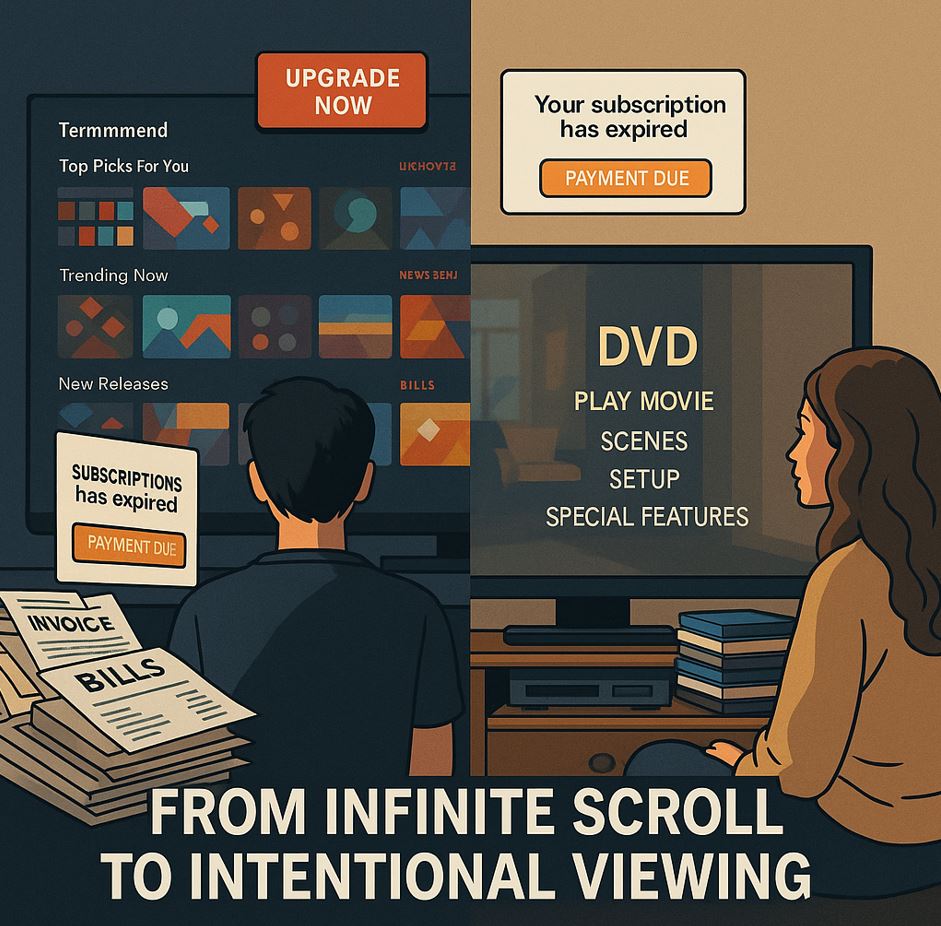
Beyond cost, there’s the psychological toll of too much content. Algorithms determine what viewers see, often reinforcing the same genres, tropes, and recommendations. This creates what many call an “algorithm bubble.”
“I open Netflix and scroll for 30 minutes before giving up. It’s like I’m being force-fed content I don’t care about.” -Reddit user, r/cordcutters
The paradox of choice – having so many options that you choose nothing – has become a core frustration. Users miss curation. They miss surprise. They miss having an actual schedule.
The Return to DVDs: Tangible and Curated
In an ironic twist, Gen Z is reviving DVDs, particularly box sets of shows like The Office, Friends, and Buffy the Vampire Slayer. On TikTok, the #dvdiscore hashtag has amassed millions of views.
Why the appeal?
- No buffering or internet reliance
- Bonus features, commentaries, and behind-the-scenes extras
- Aesthetic appeal: DVD towers and thrift-store finds add to a retro vibe
- Curated collections: A limited library means intentional viewing
Owning a DVD box set has become both a status symbol and a rebellion against endless streaming.
The Rise of Live TV and Linear Watching
Another seemingly outdated trend making a comeback is live television. But this isn’t your parents’ cable package. Platforms like Pluto TV, Sling Freestream, and Samsung TV+ offer free ad-supported linear channels that mimic traditional broadcasts.
These services offer:
- Passive watching: You don’t have to pick; you just watch
- The joy of randomness: Discovering a movie halfway through or stumbling on a forgotten sitcom
- Event watching: Live sports, award shows, and reality finales
Live TV brings back a kind of communal, spontaneous experience that streaming has lost.
The Pirate Bay Resurfaces: Ethics and Economics of Piracy
With rising subscription costs and geo-restrictions, piracy has quietly crept back into mainstream use. Torrent sites, illegal streaming services, and file-sharing platforms are seeing increased traffic, especially for:
- Obscure or region-locked content
- Old shows no longer available legally
- Simultaneous access without jumping platforms
While piracy raises ethical and legal concerns, its resurgence speaks volumes about user frustration. When consumers feel gouged or manipulated, they revert to the path of least resistance.
Statistics on Gen Z Piracy
- Lifetime Piracy: 76%
A Cordcutting.com study from March 2023 reveals that 76 % of Gen Z adults (born after 1997) have pirated movies or TV shows at least once. - Annual Piracy: ~33%
The same study reports that over one-third of American adults – including a substantial portion of Gen Z – pirated content in the past 12 months. - Occasional Piracy Habits
About 11% of those who pirate do so more frequently than before, often driven by streaming costs and platform changes. - Password-Sharing & Piracy Combined: 25% of US Users
Deloitte’s 2024 report states 25 % of U.S. consumers admitted to either borrowing a streamer’s password or watching pirated content in the past year. While it doesn’t break down Gen Z specifically, it indicates such behavior is more common among younger, tech-savvy groups.
Nostalgia and Digital Burnout
There’s also a deeper emotional element at play: nostalgia. DVDs, live TV, and even piracy all evoke pre-algorithmic internet culture – when people downloaded entire series via LimeWire or watched movies in chunks on YouTube.
In an age of infinite content, scarcity feels comforting. Owning a DVD box set or watching The Simpsons on live TV creates an experience of media as finite, intentional, and shared.
Many young people also report digital burnout: the constant push of notifications, autoplay trailers, and endless scrolls. Turning on a DVD or flipping to a TV channel creates a “boundary” that algorithmic streaming doesn’t.
What This Means for the Future of Streaming
Streaming isn’t going away, but it is evolving. Key lessons:
- Curation matters: Users want recommendation systems that feel human.
- Bundling is back: Just like cable, consumers want one-stop solutions.
- Offline options are desirable: Downloadable, ownable media has new value.
- Authenticity > Algorithms: Platforms that can offer surprise, serendipity, or thematic programming will stand out.
Platforms Are Adapting – Sort Of
Some services are responding:
- Netflix now offers curated “live channels” in select regions
- Disney+ has begun re-releasing physical Blu-Ray collections
- Tubi and Pluto TV have grown exponentially by offering free linear channels
But the core problem persists: streaming has become a numbers game. And users feel like products, not participants.
The Age of Intentional Entertainment
We’re entering an era of intentional entertainment. As streaming fatigue deepens, more people will seek out:
- Media they control and own
- Experiences that feel unique, finite, and non-algorithmic
- Content with community context – like live events or shared rewatch sessions
Whether it’s dusting off an old DVD, tuning into a live channel, or downloading a torrent, Gen Z is signaling something big: the future of media isn’t just about access – it’s about experience. And right now, that experience means reclaiming control from the very systems that promised to liberate them.


About the Author

 Jared Mason
 Alonzo Villarreal
 Jaded Emperor
 Derek Kersey
 Kamiko Hiroki
 Jamaal Robison