
 Kamiko Hiroki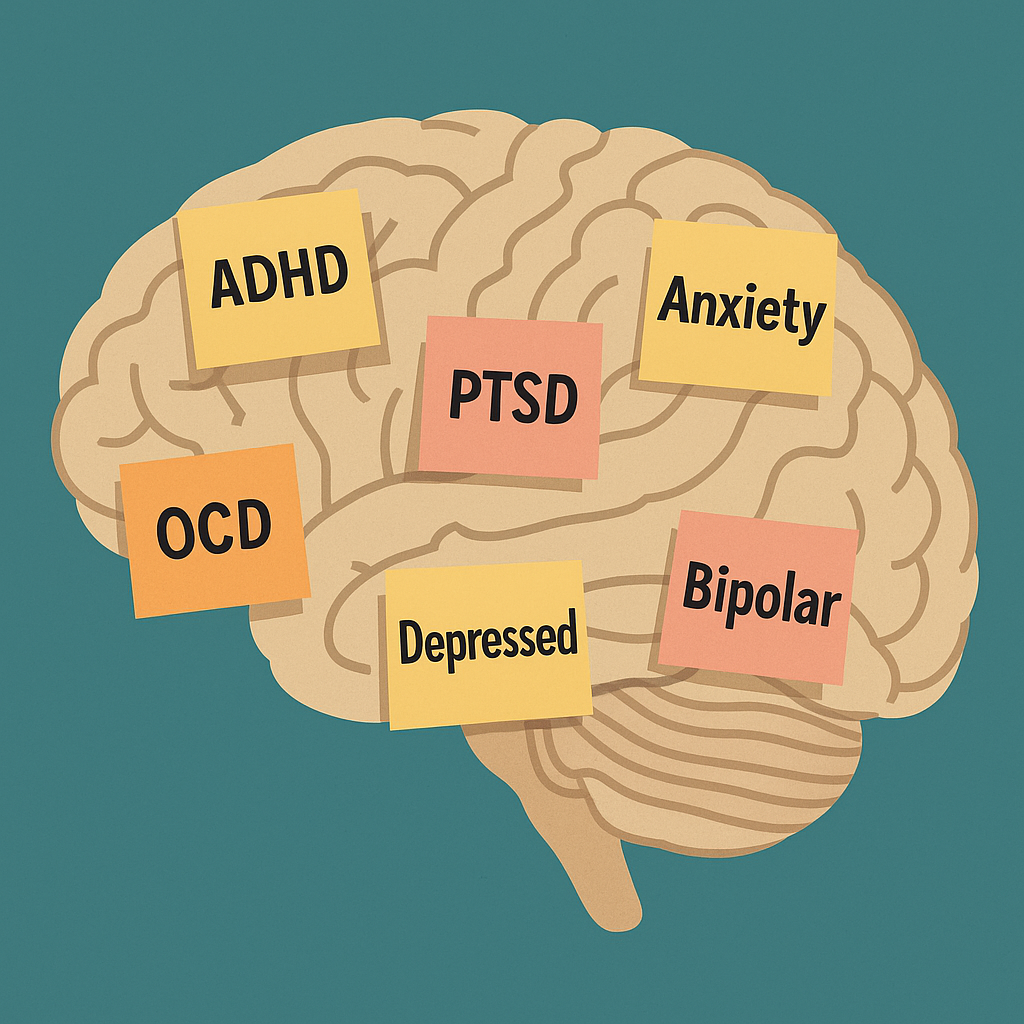
In an age of constant connectivity, access to information has never been easier. Social media, blogs, YouTube, and forums are filled with content about mental health—ranging from personal experiences to symptom checklists and “relatable” memes. As awareness grows, so does the trend of self-diagnosing mental health conditions.
While curiosity and self-awareness are vital first steps in understanding our minds, self-diagnosis can also be misleading, dangerous, and even harmful in the long run. In this article, we’ll explore what mental health self-diagnosis is, how it manifests through conditions like ADHD, OCD, and autism, when it can be helpful, and why professional evaluation is essential for accurate care and long-term well-being.
What Is Mental Health Self-Diagnosis?
Self-diagnosis in mental health occurs when someone identifies themselves as having a particular mental health condition without formal evaluation from a licensed professional. This may happen after reading online articles, watching TikToks or YouTube videos, taking unverified quizzes, or relating strongly to the experiences of others.
For example, a person might watch a video titled “10 Signs You Might Have ADHD” and walk away convinced they have the disorder—without ever consulting a psychologist or undergoing testing.
This trend is increasingly common, especially among teens and young adults who are trying to understand their emotions, behaviors, and struggles in a world where mental health conversations are becoming more mainstream.
Commonly Self-Diagnosed Mental Health Conditions
Several conditions have become focal points of self-diagnosis online, often due to increased public awareness and content that oversimplifies or misrepresents symptoms. These include:
1. ADHD (Attention Deficit Hyperactivity Disorder)
Characterized by inattention, impulsivity, and hyperactivity, ADHD has become widely discussed on platforms like TikTok. While some symptoms—like difficulty focusing or restlessness—are relatable, they’re not definitive. ADHD is a complex neurodevelopmental disorder that requires nuanced clinical assessment.
2. OCD (Obsessive Compulsive Disorder)
Often misunderstood, OCD is more than liking cleanliness or being “a little organized.” It involves intrusive thoughts (obsessions) and repetitive behaviors (compulsions) performed to reduce distress. Pop culture often trivializes OCD, making it easy for people to mislabel themselves.
3. Autism Spectrum Disorder (ASD)
ASD includes challenges in social communication and restricted or repetitive behaviors. While self-recognition of autistic traits is sometimes a starting point for seeking support, a professional evaluation considers developmental history, context, and differential diagnoses.
4. Anxiety & Depression
Feelings of anxiety and sadness are normal parts of the human experience, but distinguishing between temporary emotional states and clinical disorders is critical. Self-diagnosing depression after a bad week can obscure deeper, treatable issues—or falsely pathologize normal reactions.
When Self-Diagnosis Can Be Helpful
It’s important to acknowledge that self-diagnosis isn’t always harmful. In fact, it can serve as a gateway to self-discovery and professional help—when approached with caution and humility.
1. Increased Self-Awareness
Recognizing patterns in your thoughts, behaviors, and emotions is the first step toward healing. For many, researching symptoms helps validate feelings they’ve long ignored or misunderstood.
2. Empowerment to Seek Help
Many individuals use self-diagnosis as motivation to book their first therapy session or advocate for accommodations in school or work. If done responsibly, this can reduce stigma and increase proactive behavior.
3. Community and Support
Self-diagnosis often leads people to connect with online communities where they find understanding and solidarity. Peer support can be incredibly healing, especially for those who’ve felt isolated.
However, these benefits only exist when self-diagnosis is treated as a starting point—not a substitute for professional assessment.
The Hidden Dangers of Self-Diagnosis
While curiosity is healthy, mental health self-diagnosis becomes dangerous when it leads to:
1. Misdiagnosis and Misdirection
Mental health symptoms often overlap. A person with chronic anxiety may believe they have ADHD. Someone experiencing trauma flashbacks may misidentify as autistic. Without training, it’s easy to focus on relatable symptoms and miss critical context or co-occurring conditions.
2. Delays in Proper Treatment
If someone believes they’ve figured it all out, they may avoid seeking professional help, delaying effective therapy, medication, or coping strategies that could dramatically improve their life.
3. Confirmation Bias
Once someone believes they have a condition, they might only notice behaviors that support that belief while ignoring contradictory evidence. This can entrench false narratives and limit personal growth.
4. Over-Identification
Turning a potential condition into an identity can become self-limiting. People may excuse toxic behaviors or resist change by saying, “That’s just my ADHD” or “I can’t help it, I have anxiety,” when they haven’t been properly evaluated—or even when those behaviors stem from something entirely different.
5. Harmful Echo Chambers
Some online communities can be more harmful than helpful, promoting misinformation or discouraging members from seeking professional intervention. In extreme cases, this can lead to self-medicating or adopting maladaptive coping mechanisms.
Why Professional Evaluation Matters
Mental health professionals are trained to:
- Differentiate between overlapping conditions
- Explore symptom history and context
- Rule out physical causes (e.g., thyroid issues that mimic depression)
- Understand developmental, cultural, and environmental factors
- Provide diagnosis, treatment, and ongoing support
A qualified therapist or psychiatrist doesn’t just assign a label—they help you understand yourself in a holistic, nuanced way. Even if your self-diagnosis turns out to be accurate, a professional will guide you toward proper treatment, whether that’s cognitive behavioral therapy, medication, lifestyle changes, or all of the above.
Cultivating Curiosity Without Self-Labeling
Mental health exploration is a journey, not a shortcut. You can still research, reflect, and connect without jumping to conclusions.
Here’s how to do it right:
- Be Curious, Not Convinced: Treat symptoms as clues, not conclusions.
- Track, Don’t Diagnose: Journaling your emotions or behaviors can help professionals better understand your experience.
- Ask, Don’t Assume: Instead of saying, “I have OCD,” try, “I notice I have repetitive thoughts that cause anxiety—what might that be?”
- Talk It Out: Open up to trusted friends, mentors, or support groups to explore your thoughts without solidifying a self-diagnosis.
- Book the Appointment: If you see persistent symptoms affecting your quality of life, a licensed therapist is the best place to go next.
Conscious Self-Awareness Is the Best Path Forward
Self-awareness is a powerful tool—but only when paired with humility and responsibility. The internet can introduce us to mental health language and help normalize conversations, but it should never replace professional guidance.
You deserve answers, not assumptions. You deserve care, not confusion. And above all, you deserve healing, which often begins when you step away from the search bar and into a therapist’s office.
Implications of Online Self-Diagnosis in Psychiatry


About the Author





 Jaded Emperor
 Derek Kersey
 Jamaal Robison