 Jaded Emperor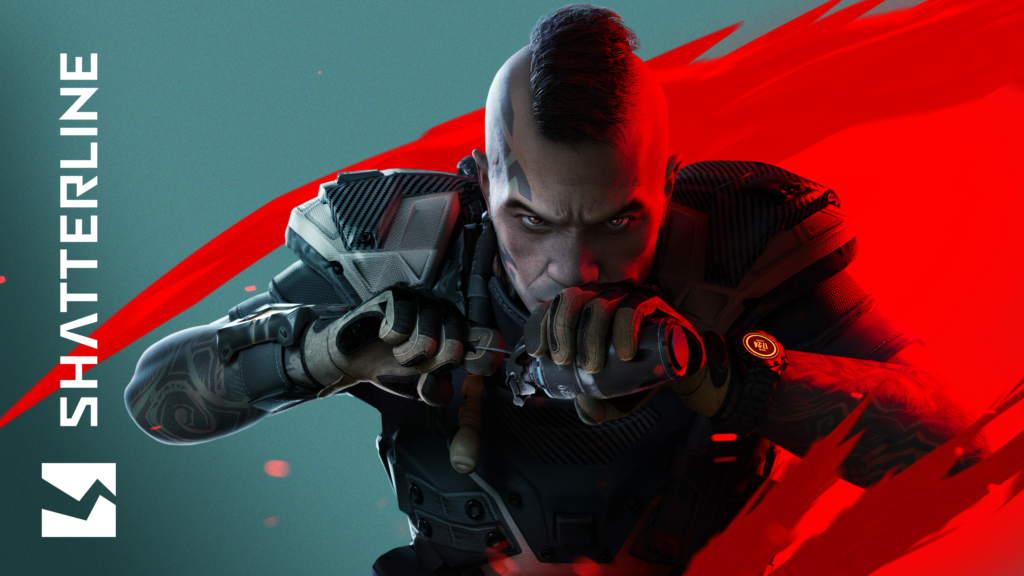
When Shatterline launched into Early Access on Steam in 2022, it looked like the rarest kind of FPS success story. A fresh, fast-paced shooter built by a passionate independent studio from Kyiv, Ukraine, it was even easier for some players to throw support behind it based on world events at the time. Many players praised its crisp gunplay, creative PvE Expedition mode, and responsive devs. Frag Lab seemed to be doing everything right.
Then 2024 happened, and the project collapsed in slow motion.
What follows is the full, sourced timeline and accountability map of how Shatterline was fumbled so hard, who made the critical calls, and why the player backlash was so intense.
1. Early Success and Player Investment
- Shatterline entered Early Access on Steam in 2022 as a free-to-play game.
- Players bought battle passes, premium cosmetics, and invested hundreds of hours building progress.
- Frag Lab promised long-term support, regular seasons, and a coming full release once content and polish reached stability.
By mid-2024, the player base, while modest, was loyal. Then an announcement blindsided them.
2. The “Retirement” Announcement
On June 15, 2024, Frag Lab posted an official “Retirement FAQ” explaining that Shatterline would be temporarily taken offline for polishing before full release.
The exact statement (archived on Shatterline.gg) reads:
“Shatterline will be retired from Early Access on August 1, 2024… as part of preparations for our next big phase.”
“All in-game purchases are disabled effective immediately.”
“Refunds will be given to every player who made a purchase in the past 14 days (from June 1, 2024 at 3 am EDT). Refunds will be automatically processed by Steam.”
(https://www.shatterline.gg/news/shatterline-retirement-faq/)
On paper, that looked like a short break. Servers would close, polish would happen, and a “next phase” would follow.
In practice, it was a pivot to an entirely new business model.
3. The Sudden Platform Shift
After servers closed, the next announcement didn’t come from Frag Lab’s site but from Faraway, a Miami-based Web3 gaming studio.
Faraway revealed that Shatterline was moving to the Epic Games Store and would include NFT and crypto integration.
Faraway co-founder Alex Paley told Decrypt (July 2024):
“We’ve been talking with Frag Lab since 2022 about how to bring Web3 features to Shatterline.”
“Holders of HV-MTL NFTs will get in-battle companions and token rewards.”
“We waited until the game felt polished before enabling Web3 integration.”
(https://decrypt.co/238706/why-hv-mtl-ethereum-mechs-arena-shooter-shatterline)
That same article confirmed that the new version would debut on Epic Games Store, the only major PC platform that still permits blockchain/NFT titles.
Valve’s Steam explicitly bans them (“Applications built on blockchain technology that issue or allow exchange of cryptocurrencies or NFTs are not allowed”).
(https://store.steampowered.com/news/group/4145017/view/2977552811319776760)
The move from Steam to Epic wasn’t a technical decision; it was a business necessity once the NFT plan was approved.
4. Who Actually Made the NFT Decision
Faraway Games
- Alex Paley and Dennis Zdonov, co-founders of Faraway, publicly confirmed the Web3 integration.
- Faraway had already acquired Yuga Labs’ HV-MTL NFT IP and needed a “AAA shooter” to host it. That game became Shatterline.
- Faraway’s own FAQ describes a tokenized economy: “Engrams earned in-game can be converted to HV-MTL token or USDC prize payouts.” (https://faq.faraway.com/shatterline/shatterline-general-faqs)
Frag Lab
- Max Dembik (Dembyk) — CEO and co-founder of Frag Lab — was the executive ultimately responsible for signing publisher agreements.
- Ukrainian tech press confirms he handled partner negotiations after Wargaming left in 2022 and was seeking new funding (https://mezha.media/en/2024/02/19/kyiv-studio-frag-lab-plans-to-downsize-and-abandon-the-office-but-wants-to-keep-shatterline/).
- It is therefore virtually certain that Dembik approved the Faraway deal and the Epic migration.
In short: Faraway devised the Web3 pivot; Frag Lab consented and implemented it.
5. The Epic Launch and the Player Backlash
On December 5, 2024, Shatterline re-appeared on the Epic Games Store at a price of $4.99 instead of free-to-play.
(https://store.epicgames.com/en-US/p/shatterline)
Faraway’s FAQ promised that former Steam players would receive “an exclusive migration pack” (https://faq.faraway.com/shatterline/shatterline-general-faqs).
However, countless players found:
- Their old accounts and items were gone.
- No automatic link or reward was delivered.
- Discord mods gave conflicting answers or none at all.
Reddit threads capture the sentiment:
“I paid for battle passes, came back, and everything was gone.”
“They moved to Epic so they could add NFTs Steam would never allow.”
Even loyal fans refunded the Epic purchase, feeling betrayed by the pivot and the loss of their progress.
6. Refunds and Account Loss: The Discrepancy
Official promise:
Refunds only applied to purchases made within 14 days before the June 15 announcement.
That excluded virtually everyone who’d bought passes, skins, or founder packs earlier in 2024 or 2023.
Reality:
- Steam players outside that window got nothing.
- Account data was reset in the Epic build.
- The “migration pack” never materialized for most users.
- Support channels offered only template answers or silence.
Effectively, purchases and progress from the Steam version were orphaned, while players were expected to buy the new $5 edition.
7. Why It Feels Like a Scam
- Bait-and-switch structure – Players joined a free-to-play game with normal monetization; the studio later pivoted to a paid NFT/Web3 model on another platform.
- Loss of digital goods – Battle passes and cosmetics were rendered worthless.
- Broken trust loop – Communication was inconsistent and moderator responses dismissive.
- Monetary downgrade – Paying players saw their investments converted into a $5 “buy-in” product that others could purchase fresh.
- NFT association – Many gamers view crypto/NFT integration as exploitative and were never given the choice to opt in under informed consent.
8. Final Accountability Summary
Responsibility for Shatterline’s downfall can be traced across four main actors, each contributing to the chain of decisions that alienated its community.
The publisher and Web3 partner, Faraway Games, led by co-founders Alex Paley and Dennis Zdonov, was the primary architect of the NFT and token integration. Faraway had been negotiating with Frag Lab since 2022 and ultimately designed the blockchain layer that would redefine the game’s identity. The company announced its Web3 roadmap publicly and confirmed that the partnership would include NFT utilities and token rewards, while also relocating the release from Steam to the Epic Games Store.
(Decrypt article: https://decrypt.co/238706/why-hv-mtl-ethereum-mechs-arena-shooter-shatterline;
Faraway FAQ: https://faq.faraway.com/shatterline/shatterline-general-faqs)
On the development side, Frag Lab CEO Max Dembik (Dembyk) authorized and executed the Faraway partnership. As studio head, Dembik oversaw both the shutdown of the Steam version and the later relaunch under the new model. His leadership choices effectively aligned Frag Lab’s future with Faraway’s Web3 vision. Some could argue this was all done in attempt to save the studio and the game, but others could argue that moves that would almost certainly result in alienating the player base are clearly antithetical to that purpose.
(Mezha Media interview: https://mezha.media/en/2024/02/19/kyiv-studio-frag-lab-plans-to-downsize-and-abandon-the-office-but-wants-to-keep-shatterline/)
Externally, Valve’s Steam platform also shaped the outcome. Steam’s policy bans games that include or trade cryptocurrencies or NFTs, which meant that once the Web3 integration was confirmed, Shatterline could no longer remain on the platform. This restriction forced the studio to withdraw the game entirely from Steam. I would like to point out that “accountability” in this case doesn’t mean “fault”. I actually support Steam’s position here and, if anything, would urge them to filter this sort of thing a bit more pro-actively so customers don’t go through this. Admittedly, that’s not an easy ask, so I, personally, hold them (mostly) blameless here.
(Steam policy: https://store.steampowered.com/news/group/4145017/view/2977552811319776760)
Finally, the Epic Games Store served as the distribution partner for the re-release, offering Shatterline for $4.99 and explicitly permitting its NFT and blockchain elements. While no fan of EGS, I can’t fault them for doing business as usual. I will say, however, that it speaks volumes that they would allow these practices.
(Epic listing: https://store.epicgames.com/en-US/p/shatterline)
Together, these intertwined decisions: Faraway’s monetization pivot, Frag Lab’s approval, Valve’s ban, and Epic’s open-door policy, sealed Shatterline’s fate and transformed a beloved free-to-play shooter into a cautionary tale. More than a case of executive overreach, it revealed a profound lack of foresight and understanding of the gaming community itself: a community that values trust, transparency, and gameplay integrity far more than speculative digital ownership.
9. Lessons for Future Players
- Beware of “Early Access” pivots — Publishers can redefine the entire business model between versions.
- Check publisher lineage — A Web3-oriented publisher (like Faraway) almost guarantees tokenization risks.
- Understand platform policies — If a game suddenly leaves Steam, ask why. NFT/crypto integration is a common trigger.
- Don’t sink money into “temporary retirements.” If developers promise a relaunch, treat it as a new game until proof arrives.
10. Bottom Line
- Shatterline didn’t die because the dev team was lazy or the gameplay was bad. It died because of executive-level business decisions that sacrificed player trust for a Web3 pivot.
- Faraway Games authored the NFT integration and pressured the platform switch.
- Frag Lab leadership (CEO Max Dembik) approved that deal and failed to protect their existing player base.
- Valve’s ban forced them off Steam, and Epic welcomed them, but players paid the price.
So if you’re asking “who fumbled Shatterline,” the answer is simple:
Faraway Games conceived the NFT pivot. Frag Lab executed it. Players paid for it.


About the Author

 Jamaal Robison
 Anna Leigh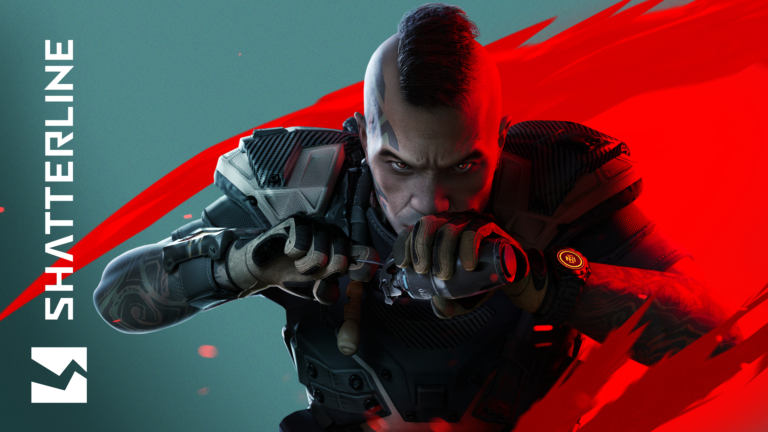

 Derek Kersey
 Kamiko Hiroki